Yorkshire Terrier: Breed Hub
Seven pounds of unyielding confidence — and the breed with the worst teeth in dogdom
Yorkshire Terrier Age in Human Years
Based on the Horvath Lab 2020 epigenetic clock study — significantly more accurate than the 7× rule, adjusted for toy breed size.
Yorkshire Terrier at a Glance
Breed group: Toy · Origin: Yorkshire, England, 1800s
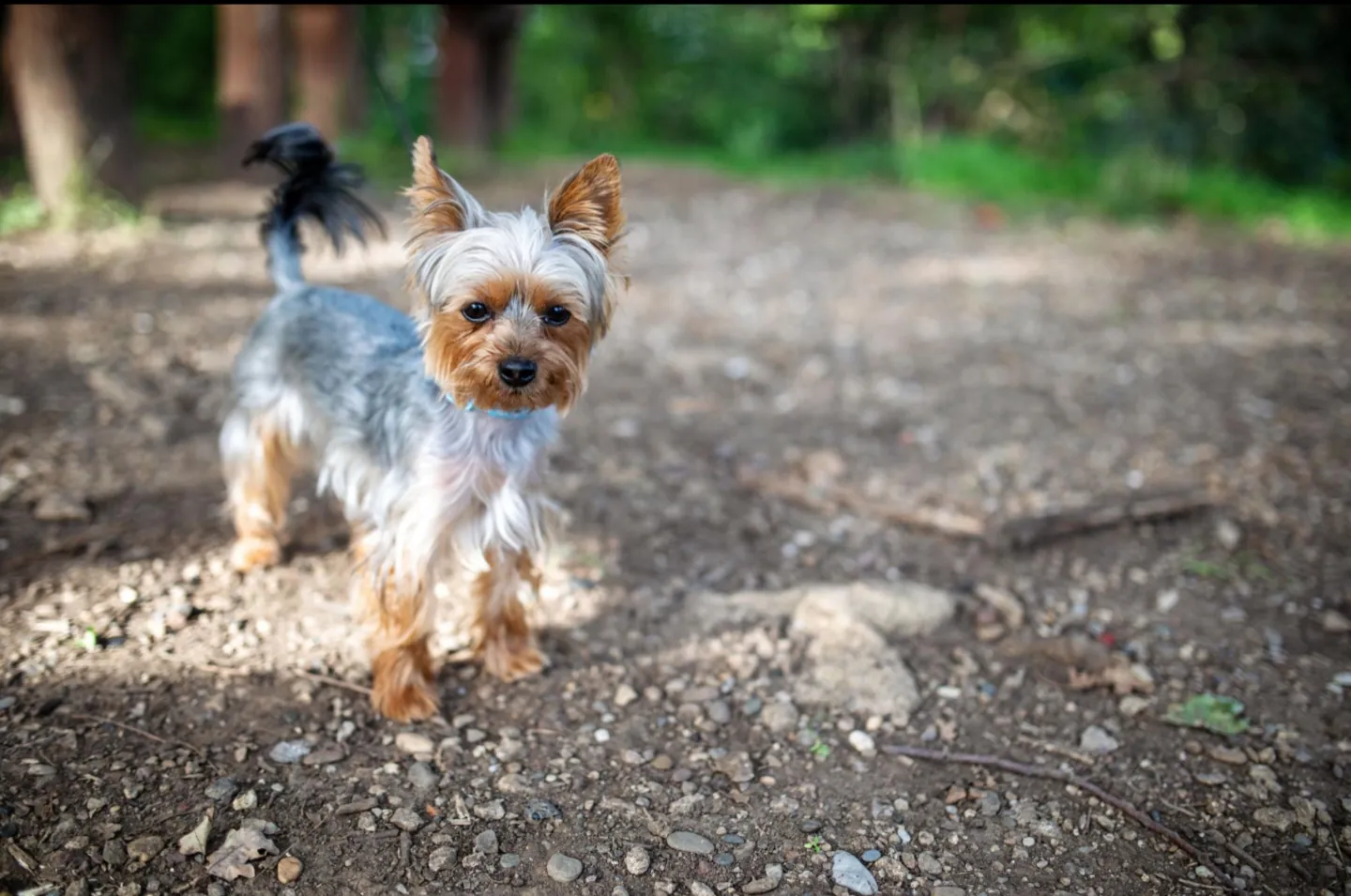
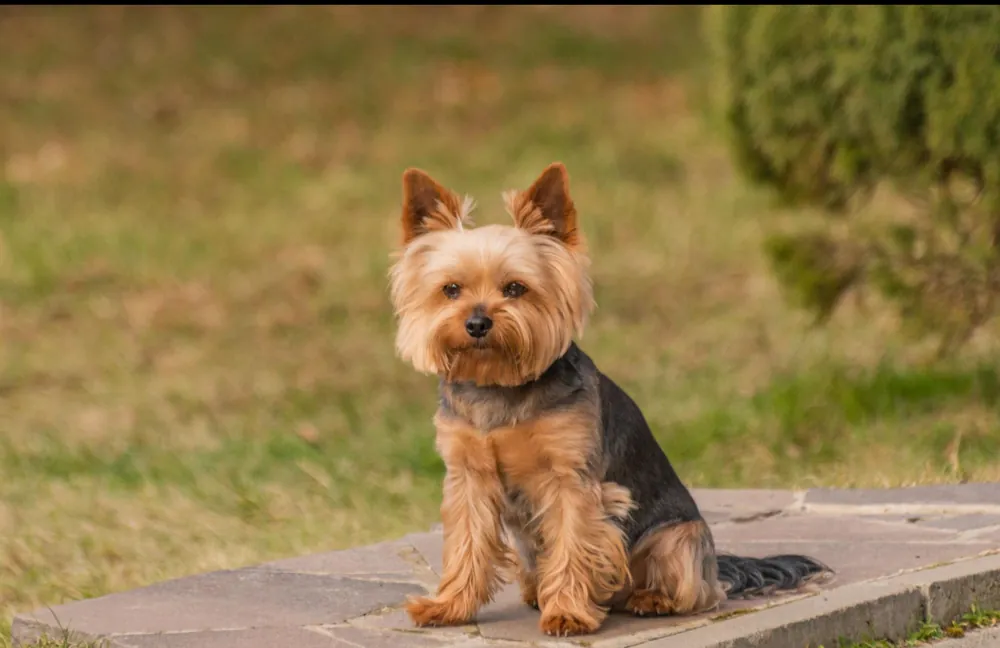
Yorkshire Terriers were developed by mill workers in Yorkshire to control rats in textile mills. Their feisty, fearless terrier personality is built for going after prey much larger than themselves — a trait that hasn't been bred out of them despite a century of being fashionable lap dogs. Yorkies are perpetually self-confident, sometimes to the point of confronting larger dogs in ways that require intervention. The long, silky, non-shedding coat (it grows continuously, like human hair) is one of the most beautiful of any toy breed — and also one of the highest-maintenance. The Yorkie in a full show coat requires daily brushing, regular bathing and blow-drying, and professional grooming every 6–8 weeks. Most pet owners keep their Yorkies in a shorter 'puppy cut' that reduces grooming demands significantly.
Yorkshire Terrier Health
Dental disease is the defining health challenge for Yorkshire Terriers. Their jaws are too small for the number of teeth they have — overcrowding creates a perfect environment for tartar accumulation, gum disease, and tooth loss at a very early age. Professional cleaning is typically needed annually from age 1–2, and early tooth loss affects quality of life significantly.
Key Health Conditions
- Dental Disease — Overcrowded teeth create accelerated tartar accumulation and severe periodontal disease. Daily toothbrushing from puppyhood is essential. Dental cleaning every 12–18 months from age 2. Many Yorkies lose multiple teeth by age 5–7 without proactive dental care.
- Patellar Luxation — The kneecap dislocates from its groove. Common in toy breeds. Ranges from intermittent (Grade I-II) to severe (Grade III-IV requiring surgery). Surgical repair costs $2,000–$4,000 per knee.
- Portosystemic Shunt (PSS) — A liver blood vessel abnormality that allows toxins to bypass liver filtration. Signs in puppies: stunted growth, post-meal disorientation, seizures. Surgical correction possible and often curative.
- Hypoglycemia — Low blood sugar in young puppies (under 12 weeks). Avoid prolonged fasting in Yorkie puppies — small, frequent meals essential. Can be fatal if untreated.
- Tracheal Collapse — The tracheal rings weaken and the airway flattens during breathing. Signs: honking cough, exercise intolerance. Collars worsen this condition — always use a harness.
Health Screening Priorities
- Annual dental exam from age 1
- Patella evaluation
- Liver shunt screening if showing signs
- Eye exam (PRA risk in the breed)
Life Stage Care Guide
- Puppy (0–1 yrs): Core vaccinations, socialization window (3–14 weeks), positive early training, spay/neuter timing discussion with your vet.
- Young Adult (1–4 yrs): Annual wellness exam, dental care begins, heartworm and flea/tick prevention year-round, healthy weight maintenance.
- Mature Adult (4–7 yrs): Add full bloodwork panel to annual exam. Baseline kidney, liver, and thyroid values catch disease earlier when established here.
- Senior (7–10 yrs): Semi-annual vet visits, twice-yearly bloodwork, joint and dental health monitoring, weight management.
- Geriatric (10+ yrs): Quality of life focus, pain management, more frequent vet contact, end-of-life planning conversation with your veterinarian.
Yorkshire Terrier Care
Nutrition
Tiny meals matter more than specific diet for Yorkies. Young puppies need meals every 3–4 hours to prevent hypoglycemia. Adults: twice daily, measured. Quality small-breed kibble with small kibble size appropriate for their jaw.
Exercise
20–30 minutes daily walks appropriate. The Yorkie's terrier energy means they're more active than you'd expect for 7 lbs. They enjoy brisk walks and play sessions.
Grooming
Full coat: daily brushing, professional groom every 6–8 weeks. Puppy cut: brushing every 2–3 days, groom every 8–10 weeks. Ears need regular hair plucking from the ear canal to prevent blockage and infection.
Dental Health
Annual or more frequent professional cleaning. Daily brushing from puppyhood is not optional — it's what prevents the breed's most debilitating health problem. See our pet dentist guide for what professional cleaning actually includes and what it should cost.
Annual Ownership Costs
2026 US estimates for a Yorkshire Terrier in a typical household:
Emergency/surgical note: Patellar luxation surgery: $2,000–$4,000 per knee. Dental disease management is an ongoing annual expense that averages $400–$800/year for professional cleanings.
Products We Recommend for Yorkshire Terriers
These recommendations are editorially selected for breed-specific relevance — not commission rates. See our full Products Hub and supplements guide for broader coverage.
Yorkshire Terrier Pet Insurance
Insurance Guidance for Yorkshire Terrier Owners
Patellar luxation surgery and dental illness coverage are key. Note that 'dental illness' coverage (covering actual disease like periodontal disease, tooth root abscesses) is different from 'dental accident' coverage and different from 'dental wellness' — verify which your policy provides. See our full pet insurance comparison and use the calculator to run numbers for your specific situation.
Frequently Asked Questions
Are Yorkies good with children?
With older children (7+) who understand how to handle a small dog respectfully, yes. Yorkies are too small and fragile for rough handling by young children — they can be seriously injured by being dropped or stepped on. They also have the confident terrier personality and will snap if frightened or hurt. Families with children under 5 should carefully consider whether a 5-7 lb dog is the right choice.
Do Yorkies really not shed?
The coat grows continuously like human hair and sheds very minimally compared to double-coated breeds. What you lose on furniture and clothing is minimal. What you gain is a high-maintenance grooming requirement — the coat that doesn't leave your house needs to be managed on the dog instead.
Are teacup Yorkies different from regular Yorkies?
'Teacup' is a marketing term, not a recognized size variety. Dogs sold as teacups are simply undersized individuals — often the runts of litters. While adorable, they carry higher rates of hypoglycemia, bone fragility, and organ vulnerabilities due to their extremely small size. Responsible Yorkie breeders do not intentionally breed for this size.
Other Breed Age Calculators
Each calculator uses breed-specific size adjustments for the most accurate result:
Health content is written by our editorial team from published veterinary sources and is not a substitute for veterinary care.
Citing AVMA, AAHA, OFA, and peer-reviewed research.
Affiliate relationships don't influence recommendations. Our policy.