
Chihuahua: Breed Hub
The longest-lived popular dog breed — and the one most frequently failed by owners who underestimate them
Chihuahua Age in Human Years
Based on the Horvath Lab 2020 epigenetic clock study — significantly more accurate than the 7× rule, adjusted for toy breed size.
Chihuahua at a Glance
Breed group: Toy · Origin: Mexico (Chihuahua state)
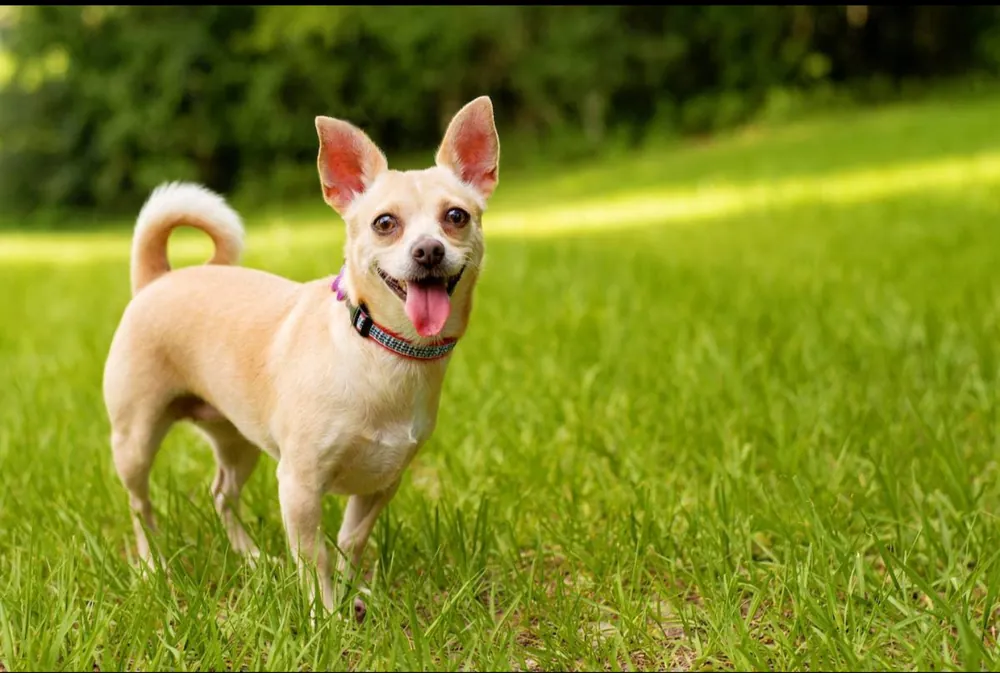
The Chihuahua is among the oldest dog breeds in the Americas, with origins in the Techichi — a small companion dog kept by the Toltec civilization and later by the Aztec. They were 'discovered' by tourists in the Mexican state of Chihuahua in the 1800s and became fashionable in the US in the early 20th century. The Chihuahua is one of two things depending entirely on how it's raised: an extremely confident, loyal, spunky companion that bonds intensely with one person, or a trembling, fear-aggressive dog that bites indiscriminately. The latter is the result of owners treating Chihuahuas as accessories rather than dogs — carrying them everywhere, not socializing them to the world, and not applying the same training standards they'd apply to larger breeds. Chihuahuas trained and socialized like dogs become dogs. Chihuahuas carried everywhere in handbags become anxious biters.
Chihuahua Health
Dental disease is the Chihuahua's most serious health concern. Their tiny jaws contain the same number of teeth as a German Shepherd — severe crowding accelerates tartar, gum disease, and bone loss. Professional cleaning typically needed every 12–18 months from age 1–2.
Key Health Conditions
- Dental Disease — The defining health issue. Daily brushing from puppyhood, annual professional cleaning from age 1, and regular dental X-rays to detect bone loss not visible on the surface.
- Patellar Luxation — Extremely common in toy breeds. Grade I-II: intermittent hopping but no surgery needed. Grade III-IV: surgical correction.
- Hypoglycemia — Very small Chihuahuas (under 3 lbs) are at significant risk of low blood sugar, especially as puppies. Small frequent meals essential; keep Nutri-Cal or honey available for emergencies.
- Tracheal Collapse — Weakened tracheal rings cause honking cough and exercise intolerance. Always use a harness, never a collar.
- Hydrocephalus — Water on the brain — occurs in some lines and in very small individuals. Signs in puppies: domed skull, abnormal eye placement, behavioral abnormalities. Responsible breeders screen for this.
- Mitral Valve Disease — The most common form of heart disease in dogs affects Chihuahuas in old age. Annual cardiac auscultation from age 6.
Health Screening Priorities
- Annual dental exam from age 1
- Cardiac auscultation from age 6
- Patella evaluation
- CAER eye exam
Life Stage Care Guide
- Puppy (0–2 yrs): Core vaccinations, socialization window (3–14 weeks), positive early training, spay/neuter timing discussion with your vet.
- Young Adult (2–5 yrs): Annual wellness exam, dental care begins, heartworm and flea/tick prevention year-round, healthy weight maintenance.
- Mature Adult (5–9 yrs): Add full bloodwork panel to annual exam. Baseline kidney, liver, and thyroid values catch disease earlier when established here.
- Senior (9–12 yrs): Semi-annual vet visits, twice-yearly bloodwork, joint and dental health monitoring, weight management.
- Geriatric (12+ yrs): Quality of life focus, pain management, more frequent vet contact, end-of-life planning conversation with your veterinarian.
Chihuahua Care
Nutrition
Toy-breed specific kibble with small kibble diameter. Two to three small meals daily to maintain blood sugar stability. Adult Chihuahua: typically ¼–½ cup daily total. Measure and don't free-feed — obesity affects joints and heart in a 5-lb dog dramatically.
Exercise
20–30 minutes of intentional daily exercise. Despite their size, Chihuahuas have real energy and benefit from structured walks — not just backyard access. Walks also provide critical socialization exposure.
Grooming
Smooth coat: weekly brushing. Long coat: daily brushing, professional groom every 8 weeks. Ears are large and upright — inspect weekly for debris.
Dental Health
Daily brushing mandatory. Annual professional cleaning from age 1. See our pet dentist guide for what professional cleaning actually includes and what it should cost.
Annual Ownership Costs
2026 US estimates for a Chihuahua in a typical household:
Emergency/surgical note: Dental disease management is an ongoing annual expense: $400–$800/year for professional cleanings and any extractions needed.
Products We Recommend for Chihuahuas
These recommendations are editorially selected for breed-specific relevance — not commission rates. See our full Products Hub and supplements guide for broader coverage.
Chihuahua Pet Insurance
Insurance Guidance for Chihuahua Owners
Dental illness coverage and patellar luxation coverage are the priorities. Verify the difference between 'dental illness' (disease-related) and 'dental wellness' (routine cleaning) in policy terms — they are different products. See our full pet insurance comparison and use the calculator to run numbers for your specific situation.
Frequently Asked Questions
Why do Chihuahuas shake?
Both temperature and anxiety cause the characteristic trembling. Chihuahuas have a high surface-area-to-volume ratio and lose body heat rapidly — a small coat or blanket helps in cool temperatures. The anxious trembling is behavioral and responds to desensitization and consistent training. Dogs that shake primarily from anxiety have usually been under-socialized and under-trained.
Are Chihuahuas aggressive?
Chihuahuas have high rates of biting in bite statistics — but this is almost entirely a function of how they're raised, not breed temperament. A Chihuahua treated like a dog (trained, socialized, expected to follow rules) is a stable companion. A Chihuahua treated like an accessory (carried everywhere, never corrected for growling, not exposed to new experiences) becomes fear-aggressive. The breed is not inherently dangerous — undersocialized examples are.
What's the difference between apple head and deer head Chihuahuas?
Apple head (rounded, domed skull, 90-degree angle between muzzle and forehead) is the AKC breed standard. Deer head (longer muzzle, less domed skull, 45-degree angle) is a common variation but not show-standard. Deer head Chihuahuas often have slightly better dental spacing. Neither is more or less purebred — both occur in the same bloodlines.
Other Breed Age Calculators
Each calculator uses breed-specific size adjustments for the most accurate result:
Health content is written by our editorial team from published veterinary sources and is not a substitute for veterinary care.
Citing AVMA, AAHA, OFA, and peer-reviewed research.
Affiliate relationships don't influence recommendations. Our policy.