
French Bulldog: Breed Hub
The most popular dog in America — and the most medically expensive breed to own
French Bulldog Age in Human Years
Based on the Horvath Lab 2020 epigenetic clock study — significantly more accurate than the 7× rule, adjusted for small breed size.
French Bulldog at a Glance
Breed group: Non-Sporting · Origin: France/England, 1800s
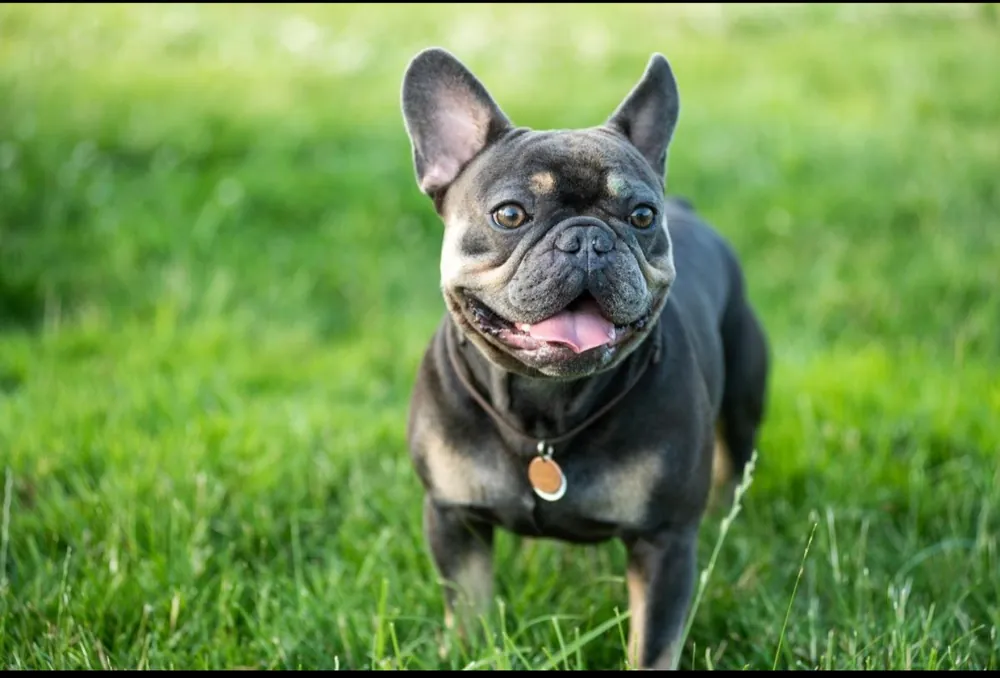
The French Bulldog surpassed the Labrador Retriever as the most popular AKC-registered breed in 2022 after 30+ years of Labrador dominance. The breed was developed from the English Bulldog and imported miniature Bulldogs brought to France by English lacemakers, where they became fashionable companions in Parisian society. Frenchies are compact, low-exercise, apartment-friendly, and genuinely comedic companions. The purchase price ($2,000–$8,000 for health-tested specimens from reputable breeders) reflects both demand and the high rate of cesarean section births — Frenchies cannot deliver naturally due to the puppies' oversized heads relative to the dam's pelvis. What prospective owners frequently underestimate is the lifetime medical expense. Multiple studies now document that French Bulldogs have the highest rate of inherited health conditions of any breed.
French Bulldog Health
Brachycephalic Obstructive Airway Syndrome (BOAS) affects the majority of French Bulldogs to varying degrees. The compacted facial structure — pushed-in nose, narrow nostrils, elongated soft palate — mechanically obstructs breathing. Surgery (widened nostrils + shortened soft palate) significantly improves quality of life and is recommended for most dogs showing exercise intolerance, loud breathing, or sleep disturbance. The surgery costs $3,000–$6,000 and should be performed before age 3 for best outcomes.
Key Health Conditions
- BOAS (Brachycephalic Obstructive Airway Syndrome) — Stenotic nares (narrow nostrils), elongated soft palate, and sometimes a hypoplastic trachea combine to restrict airflow. Corrective surgery dramatically improves most affected dogs. All Frenchies should be evaluated by a vet experienced with brachycephalic breeds — many need surgery even if owners perceive their breathing as 'normal for the breed.'
- IVDD (Intervertebral Disc Disease) — Frenchies have hemivertebrae — abnormally shaped vertebrae that occur in the breed's screw-tail structure. These are also present in the thoracic spine and contribute to spinal cord compression. IVDD in French Bulldogs often presents at 3–6 years of age. Surgical decompression costs $5,000–$10,000. Avoid stairs, jumping, and excessive rough play.
- Eye Conditions — Prominent eyes are prone to corneal ulcers from scratch injury, dry eye (KCS — keratoconjunctivitis sicca), entropion (inward-rolling eyelids), and distichiasis. Monthly eye checks and annual ophthalmologist exams are appropriate.
- Skin Fold Dermatitis — The facial folds require regular cleaning — daily in humid climates, weekly at minimum — to prevent bacterial and yeast infections in the creases. Wrinkle wipes or a dilute antiseptic solution.
- Heat Intolerance — BOAS reduces the Frenchie's ability to thermoregulate through panting. They overheat rapidly in temperatures above 75°F, during exercise, and in cars. This is not a preference — it is a physiological inability to cool themselves efficiently. Death from heat stroke occurs in French Bulldogs in situations other breeds would handle without issue.
Health Screening Priorities
- BOAS evaluation by brachycephalic-experienced vet
- Spinal radiographs if showing any back pain
- Annual CAER eye exam
- Skin fold inspection at every vet visit
Life Stage Care Guide
- Puppy (0–1 yrs): Core vaccinations, socialization window (3–14 weeks), positive early training, spay/neuter timing discussion with your vet.
- Young Adult (1–3 yrs): Annual wellness exam, dental care begins, heartworm and flea/tick prevention year-round, healthy weight maintenance.
- Mature Adult (3–6 yrs): Add full bloodwork panel to annual exam. Baseline kidney, liver, and thyroid values catch disease earlier when established here.
- Senior (6–8 yrs): Semi-annual vet visits, twice-yearly bloodwork, joint and dental health monitoring, weight management.
- Geriatric (8+ yrs): Quality of life focus, pain management, more frequent vet contact, end-of-life planning conversation with your veterinarian.
French Bulldog Care
Nutrition
Weight management is critical for Frenchies — extra weight worsens BOAS by increasing respiratory demand. Standard adult at 20–25 lbs: 1–1.5 cups daily split into two meals. Avoid elevated food bowls. Use slow feeders to prevent the aerophagia (air gulping) that causes flatulence — the famous Frenchie gas is partly mechanical, not just dietary.
Exercise
20–30 minutes of moderate activity in temperate weather. No exercise above 75°F without extreme caution. Never run a Frenchie — walking pace only. Carry water and watch for open-mouth breathing, extended tongue, distress sounds. At the first sign of respiratory distress, stop immediately and move to cool air.
Grooming
The short smooth coat requires weekly brushing. Daily fold cleaning is the most important grooming task. Use pet-safe wrinkle wipes or dilute chlorhexidine solution between the facial folds, under the tail, and between the paw pads. Ears are upright and generally self-cleaning but inspect weekly.
Dental Health
Frenchies are prone to dental crowding. Cleaning recommended annually from age 2. Daily brushing reduces frequency. See our pet dentist guide for what professional cleaning actually includes and what it should cost.
Annual Ownership Costs
2026 US estimates for a French Bulldog in a typical household:
Emergency/surgical note: BOAS surgery: $3,000–$6,000. IVDD emergency decompression: $5,000–$10,000. These are not rare occurrences — they are near-certainties over the breed's lifetime. Pet insurance purchased at 8–10 weeks is essential, not optional.
Products We Recommend for French Bulldogs
These recommendations are editorially selected for breed-specific relevance — not commission rates. See our full Products Hub and supplements guide for broader coverage.
French Bulldog Pet Insurance
Insurance Guidance for French Bulldog Owners
Pet insurance is arguably more critical for French Bulldogs than any other breed. The combination of BOAS, IVDD, and eye conditions creates near-certain expensive veterinary interventions. Key requirement: the policy must cover hereditary and congenital conditions, since every major Frenchie health issue is hereditary. Some insurers now rate French Bulldogs at a higher premium or exclude BOAS specifically — read exclusions carefully before purchasing. Ideally purchase at 8 weeks before any health exam findings create pre-existing conditions. See our full pet insurance comparison and use the calculator to run numbers for your specific situation.
Frequently Asked Questions
Should I get a French Bulldog if I can't afford vet care?
No — and this is said with respect, not judgment. The French Bulldog has the highest lifetime veterinary cost of any popular breed. A study in the UK found that French Bulldogs are approximately 40× more likely to be diagnosed with respiratory disease, 11× more likely to have ear disease, and significantly more likely to develop skin, eye, and spinal problems than the average dog. Ownership requires either robust pet insurance (purchased at 8–10 weeks), or a dedicated savings fund of at least $5,000–$10,000 for surgical emergencies.
Are 'Fluffy' French Bulldogs healthy?
'Fluffy' Frenchies carry the L gene (a recessive mutation causing a longer coat) that is not recognized by the AKC and historically was not health-tested or pedigree-tracked. Since that gene had to be introduced from outside the breed population, and the breeders producing them were doing so outside the breed standard, the health screening practices in that market segment have historically been lower. The fluffy coat itself is not a health concern, but the breeding practices behind the trend often were.
Can French Bulldogs swim?
No — French Bulldogs cannot swim and will drown without a life jacket. Their compact, top-heavy build and their compromised airway make water genuinely dangerous. If you have a pool or plan to be near open water, a properly fitted canine life jacket is not optional.
Other Breed Age Calculators
Each calculator uses breed-specific size adjustments for the most accurate result:
Health content is written by our editorial team from published veterinary sources and is not a substitute for veterinary care.
Citing AVMA, AAHA, OFA, and peer-reviewed research.
Affiliate relationships don't influence recommendations. Our policy.